
5 Fermented Indian Superfoods Better Than Store-Bought Probiotics
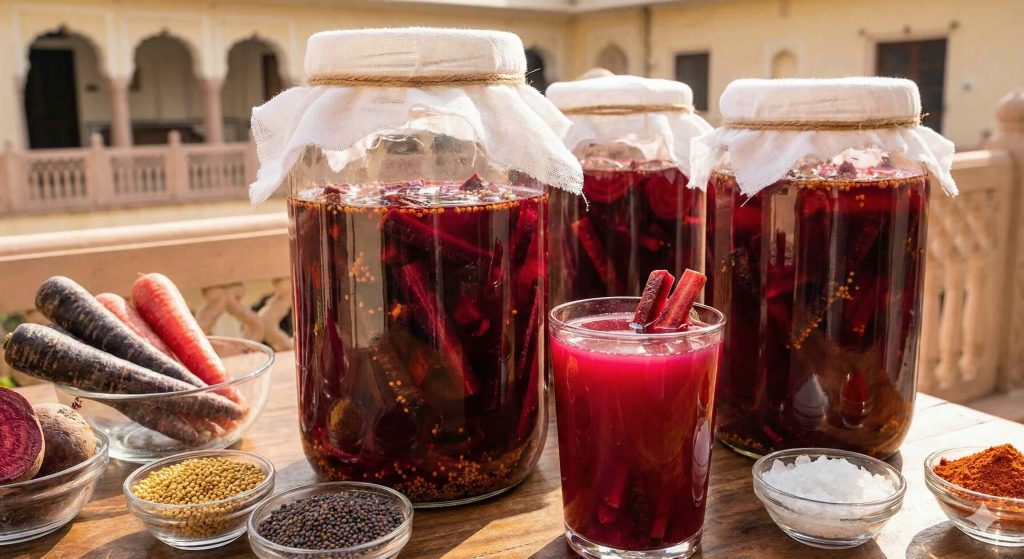
In the world of gut health, “probiotics” has become a buzzword stamped on everything from sugary yogurts to expensive gummies. But before fancy supplements lined pharmacy shelves, Indian households had mastered the science of the microbiome.
For centuries, our ancestors didn’t pop pills; they ate live food.
While many store-bought probiotic drinks contain high sugar, preservatives, and fragile bacterial strains that often perish before reaching the colon, traditional Indian fermented foods are powerhouses of diverse, thriving microbial support. They are bio-available, deeply nourishing, and designed by nature to support a healthy gut.
Here are 5 fermented Indian superfoods that rival commercial probiotic drinks, exactly how to make them, and a clinical guide on when you might need targeted therapeutic support.
1. Kanji (Black Carrot Ferment)
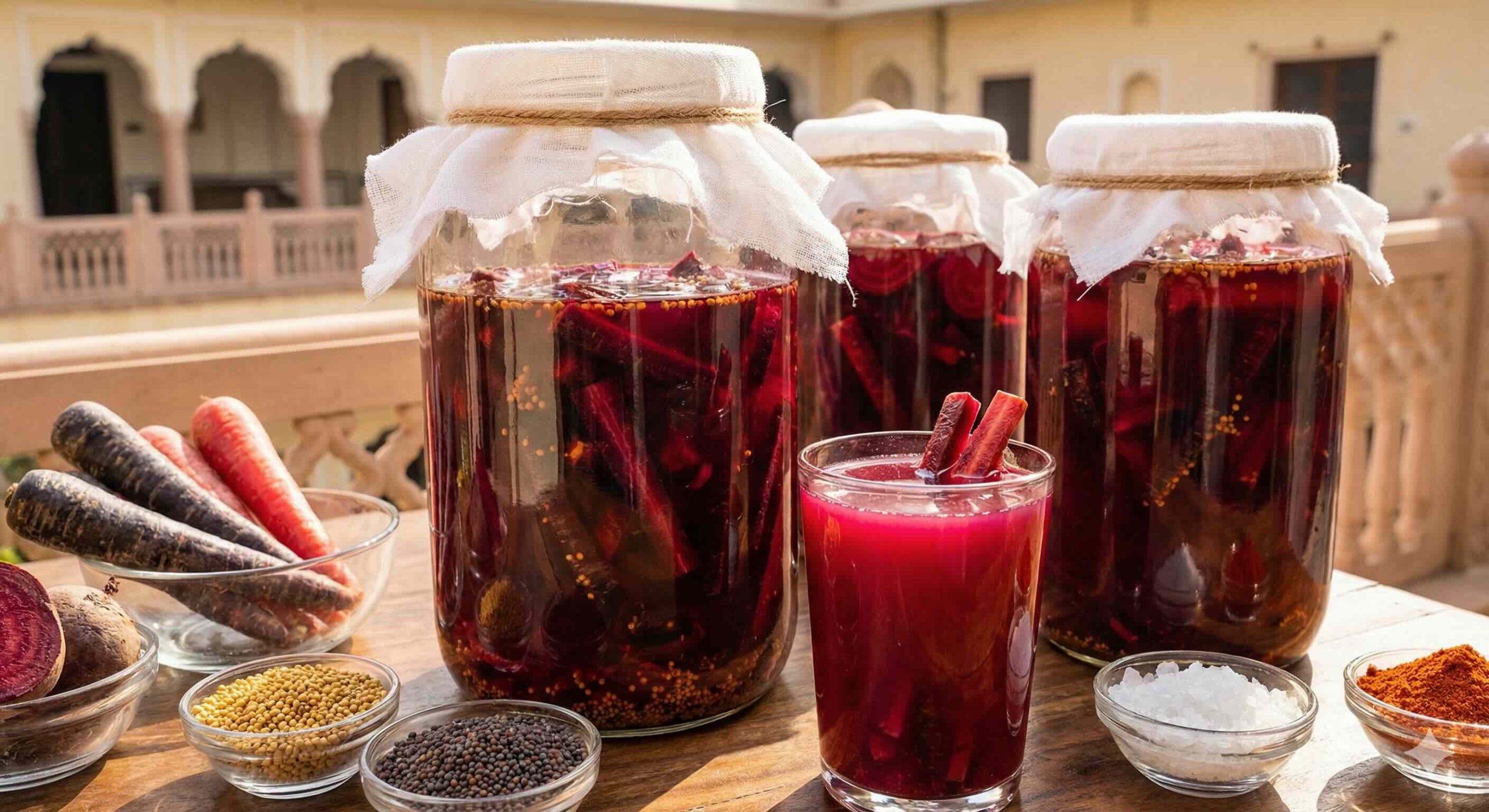
Often called the “Indian Kombucha,” Kanji is a functional powerhouse from North India, typically made during winters using black carrots (Kali Gajar), mustard seeds, and water.
- The Science: Unlike simple pickling, Kanji undergoes a wild fermentation driven by native bacteria. Studies confirm the presence of Lactobacillus plantarum and L. acidophilus, which are critical for maintaining gut barrier integrity. The deep purple color comes from anthocyanins, potent antioxidants shown to reduce gut inflammationand oxidative stress.
- Why it beats store-bought: It is dairy-free, sugar-free, and contains specific strains like Pediococcus acidilacticithat are rarely found in commercial yogurts. The addition of mustard seeds provides a warming effect that stimulates sluggish digestion.
- Best for: Boosting immunity during seasonal changes and aiding digestion in cold weather.
2. Pakhala / Pazhaya Sadam (Fermented Rice Water)
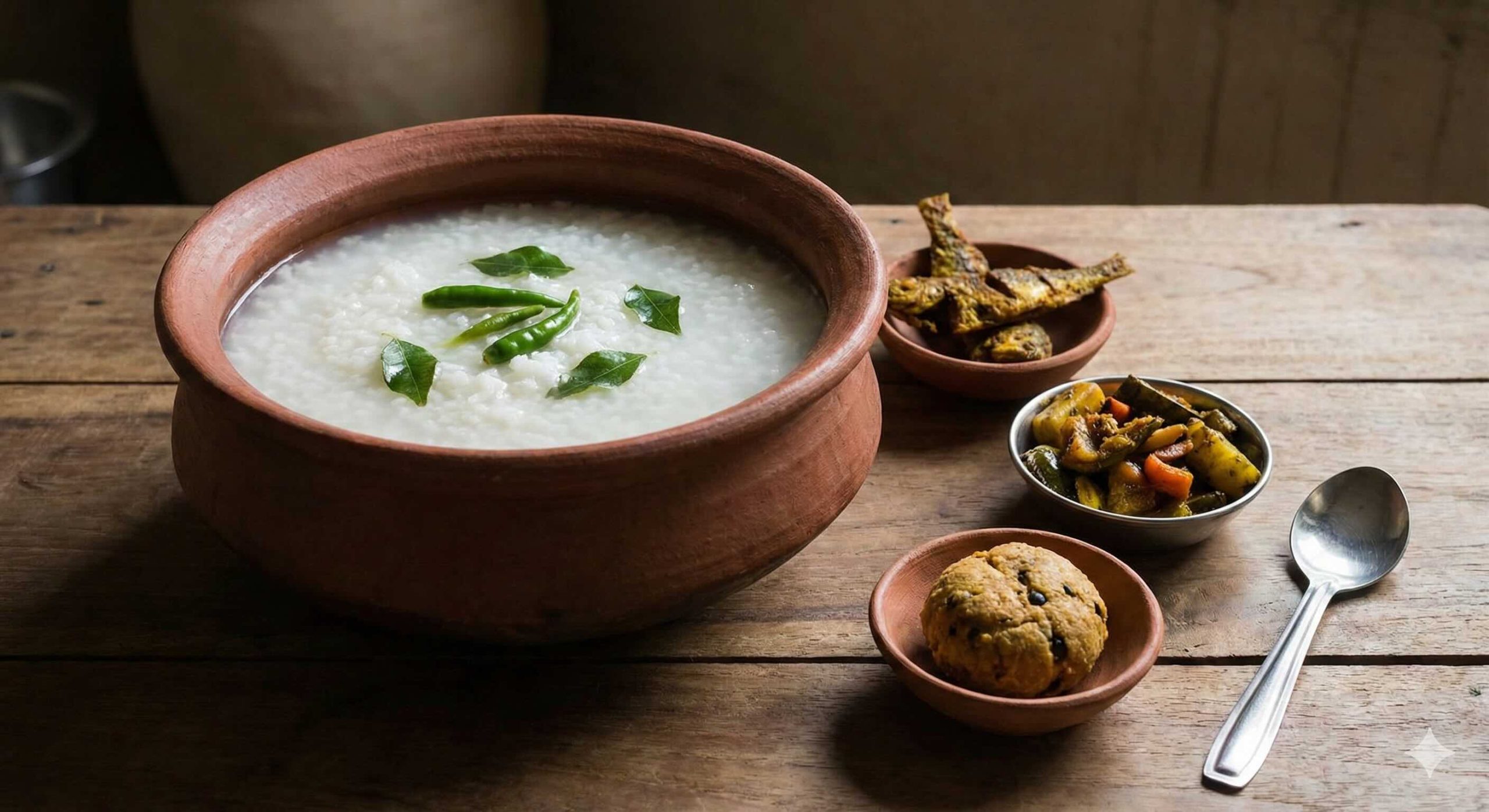
Known as Panta Bhat in Bengal, Pakhala in Odisha, and Pazhaya Sadam (Kanji) in the South, this dish is a scientifically validated gut superfood. It involves soaking cooked rice in water overnight to let it ferment.
- The Science: According to research often cited from Assam Agricultural University, the fermentation process breaks down anti-nutrients like phytic acid, increasing bio-available iron by up to 20 times compared to regular cooked rice. Furthermore, it generates Short-Chain Fatty Acids (SCFAs) like butyrate, which are the primary fuel source for the cells lining your colon.
- Why it beats store-bought: Most synthetic probiotics lack the “post-biotic” metabolites (like butyrate) naturally found in Pakhala. These metabolites are essential for strengthening the intestinal wall and preventing the permeability often associated with “Leaky Gut.”
- Best for: IBS management, acid reflux, and deep cellular hydration.
3. Homemade Achar (Lacto-Fermented Pickles)
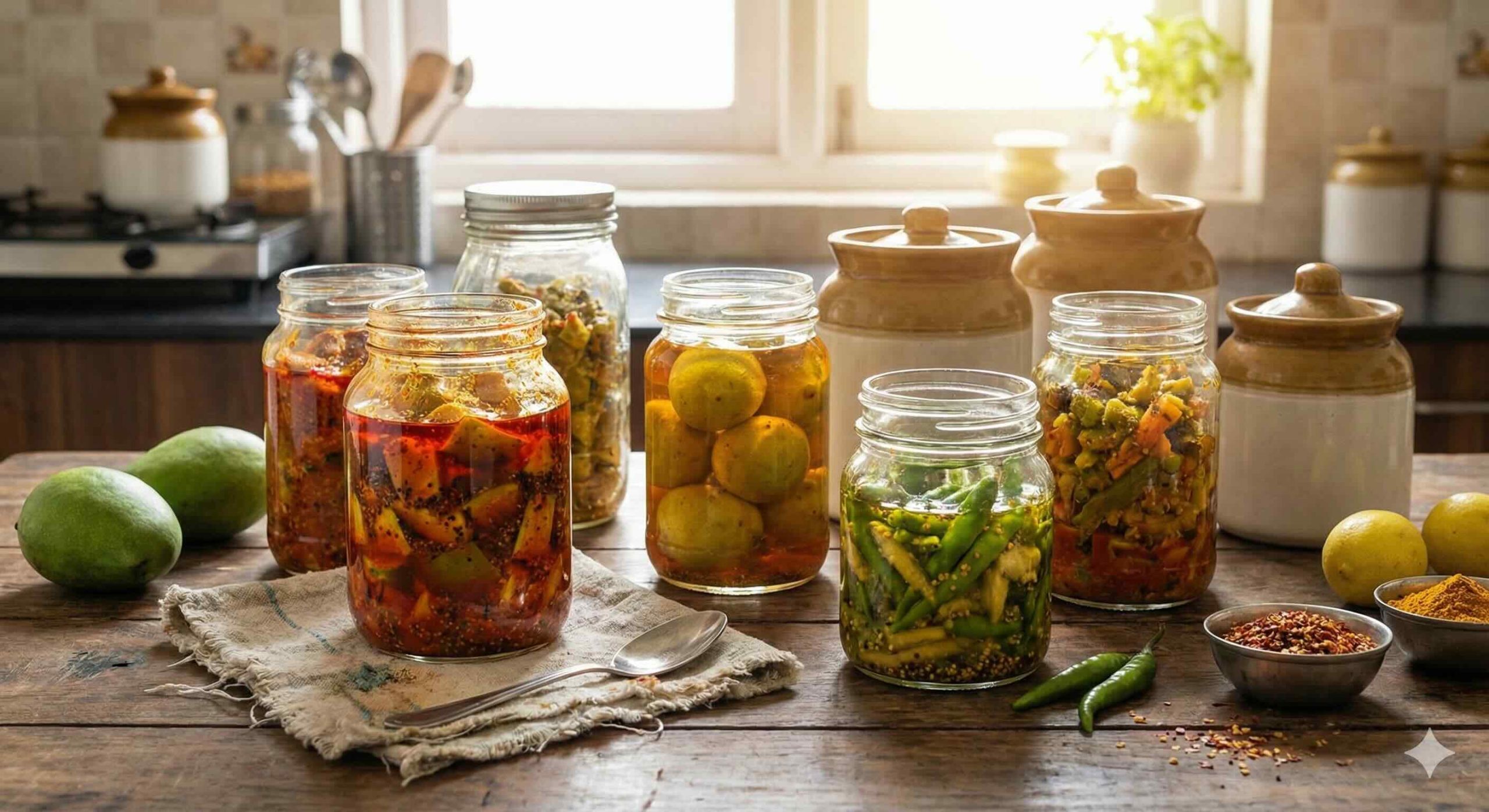
We aren’t talking about the oil-drenched, vinegar-laden pickles found in supermarkets. We mean Nani’s jar kept in the sun. Traditional Indian pickles (mango, lemon, chili) made with salt and spices undergo “lacto-fermentation.”
- The Science: The salt draws out moisture, creating a brine where salt-tolerant bacteria like Lactobacillus brevis and Leuconostoc mesenteroides thrive. These species are incredibly resilient and can survive the journey through stomach acid better than many fragile capsule probiotics.
- Why it beats store-bought: These pickles act as a digestive stimulant. Consuming a small amount of traditional achar with a meal can help stimulate stomach acid production—a critical factor for autoimmune patients who often suffer from hypochlorhydria (low stomach acid).
- Best for: Improving nutrient absorption and stimulating low appetite.
4. Idli & Dosa Batter (Microbial Magic)
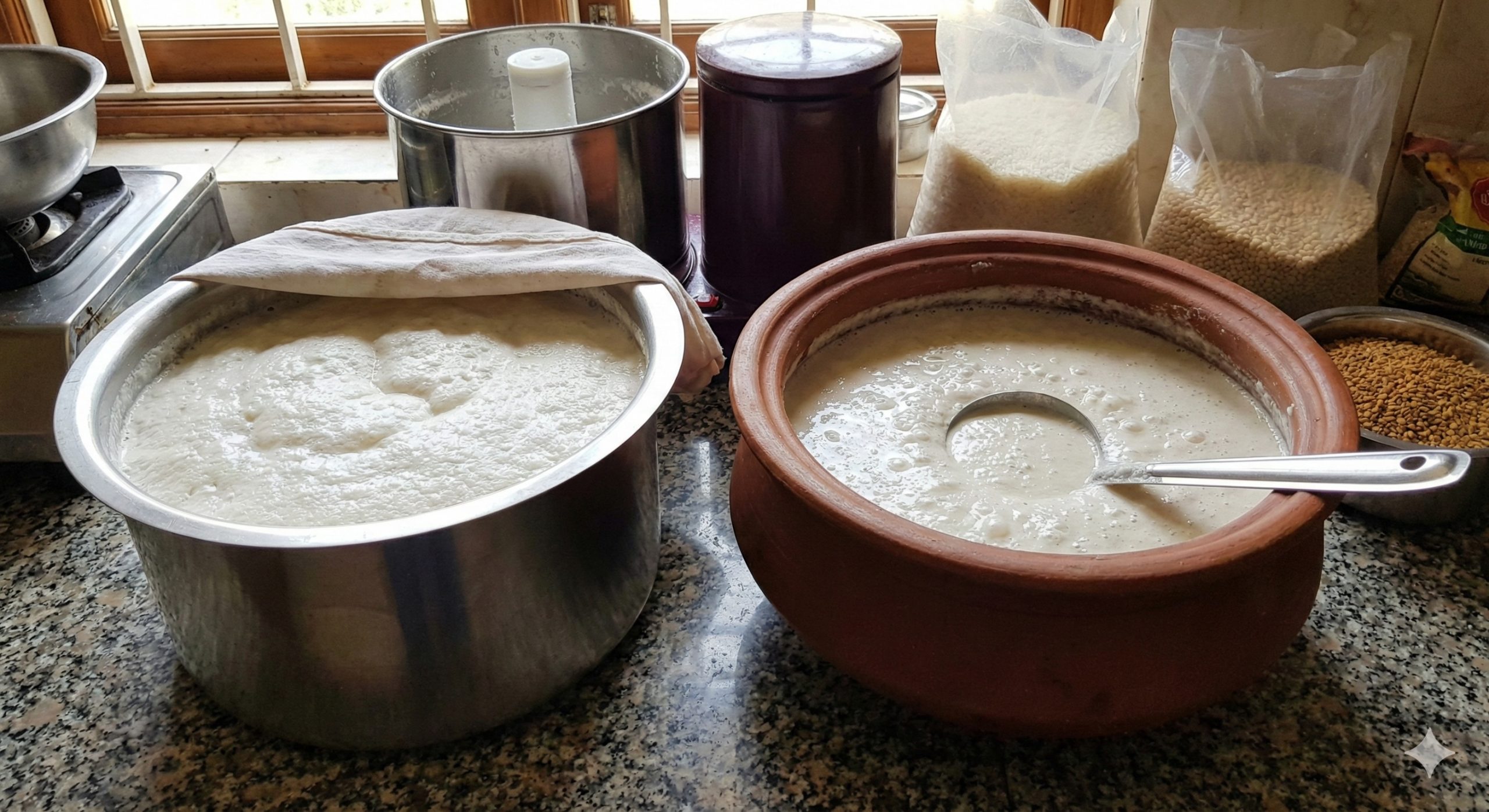
A staple breakfast that is nutritionally engineered. The combination of rice and urad dal (black gram), when ground and left to ferment, creates a unique enzymatic environment.
- The Science: The fermentation is kickstarted by Leuconostoc mesenteroides (which provides the leavening or “fluffiness”) and followed by Lactobacillus species (which provide the sourness and preservation). This process predigests starches and significantly boosts Vitamin B12 and amino acid bioavailability.
- Why it beats store-bought: For those with autoimmune conditions who struggle to digest grains, fermented batters reduce the glycemic load and break down hard-to-digest proteins, making them far more tolerable than plain wheat or rice.
- Best for: A gentle, gut-friendly start to the day that provides sustained energy.
5. Buttermilk (Chaas / Mattha)
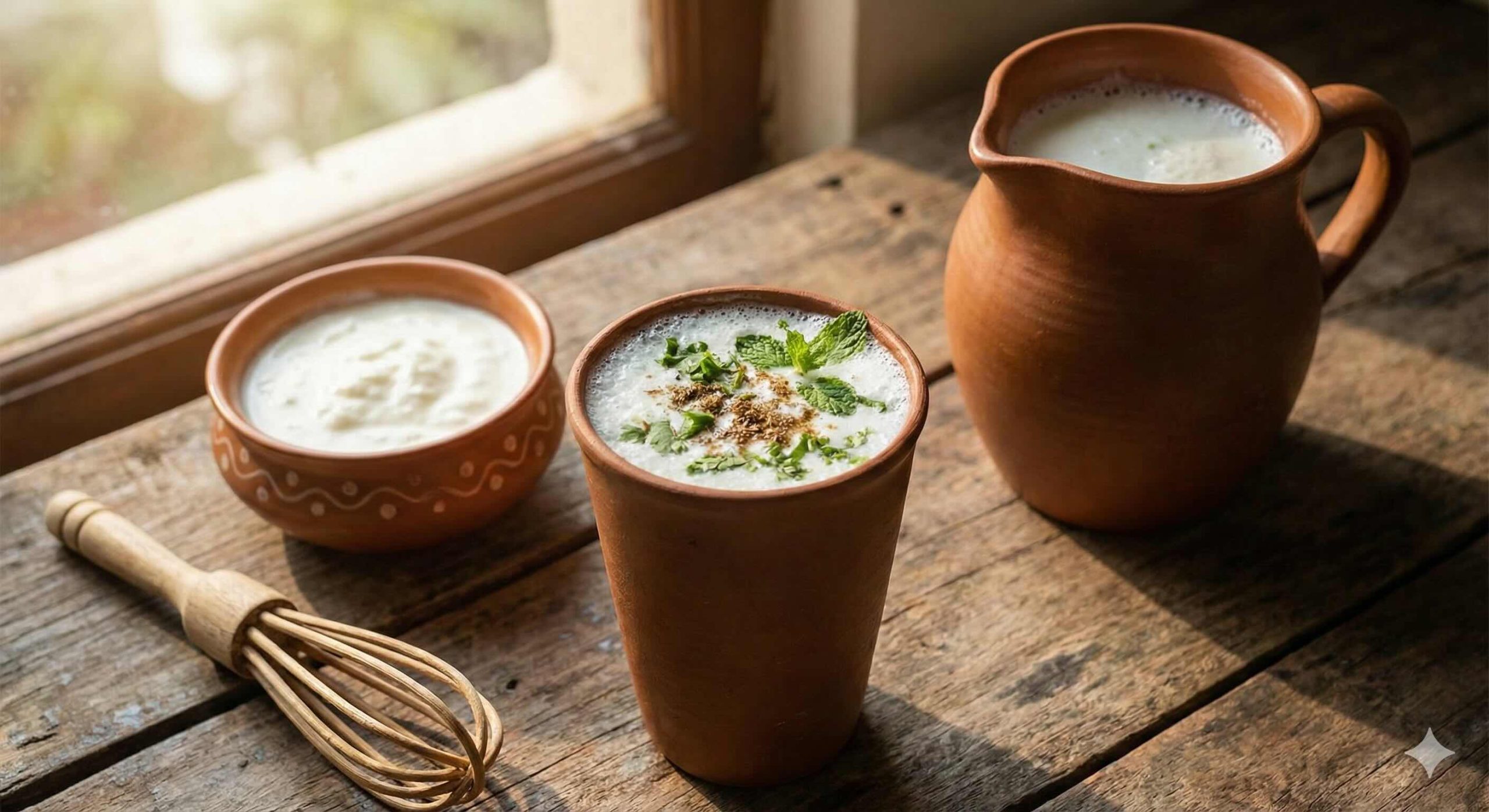
Not to be confused with heavy lassi, traditional Chaas is the liquid left after churning butter from cultured cream (or diluted live-culture yogurt).
- The Science: Chaas is rich in Lactobacillus acidophilus and helps maintain a healthy pH balance in the stomach. When combined with spices like roasted cumin (jeera) and black salt, it becomes a potent electrolyte drink that aids in the digestion of fats.
- Why it beats store-bought: Commercial buttermilk is often pasteurized (killing the bacteria) and loaded with thickeners. Traditional Chaas contains live, active cultures that help populate the gut with beneficial transient bacteria.
- Best for: Relieving post-meal bloating and soothing acidity.
DIY Kitchen Pharmacy: How to Make Them
You don’t need expensive equipment to start fermenting. Here are two simple, fool-proof recipes to get you started.
The 3-Day Gut Tonic: Beetroot & Carrot Kanji
Takes 15 mins prep | Ready in 3-5 days
Ingredients:
- 4-5 Black Carrots (or regular carrots + 1 small beetroot for color)
- 2 Liters Filtered Water
- 2 tbsp Mustard Seeds (crushed coarsely)
- 1 tbsp Black Salt (Kala Namak)
Instructions:
- Wash, peel, and slice carrots into long batons.
- Place carrots in a clean glass or ceramic jar (avoid plastic/metal).
- Add the crushed mustard seeds and salt. Pour water over the top, leaving an inch of space at the rim.
- Cover the jar loosely with a muslin cloth and secure with a rubber band.
- Place the jar in a sunny spot for 3-5 days. Stir once daily with a wooden spoon.
- Taste Test: When it tastes pleasantly sour and tangy, it’s ready! Strain and refrigerate.
The Overnight Healer: Pakhala (Fermented Rice)
Takes 5 mins prep | Ready overnight
Ingredients:
- 1 cup Leftover Cooked Rice (cooled)
- 2 cups Water
- 1 tsp Curd/Yogurt (optional starter)
- Pinch of Salt
Instructions:
- Place the cooked rice in an earthen pot or glass bowl.
- Pour water over the rice until it is fully submerged.
- (Optional) Add a teaspoon of curd to kickstart fermentation, though the wild bacteria in the air and rice will do the job naturally.
- Cover and leave at room temperature for 10-12 hours (overnight).
- To Serve: Mash the rice slightly, add a pinch of salt, a squeeze of lemon, and enjoy as a breakfast porridge.
The “Safety Warning”: Who Should AVOID These?
While fermented foods are medicinal for many, they can be a trigger for others. If you have a compromised gut, “more bacteria” isn’t always the answer.
1. The Histamine Paradox
Fermentation naturally produces histamine. Most people break this down easily in the gut using an enzyme called DAO. However, if you have a damaged gut lining or Histamine Intolerance (HIT), eating Kanji or pickles can cause:
- Sudden headaches or migraines
- Skin hives or flushing
- Racing heart after eating
2. The SIBO Fire
If you suffer from Small Intestinal Bacterial Overgrowth (SIBO), you already have too much bacteria in your upper gut. Throwing fermented foods (which are rich in prebiotics and sugars) into this environment is like throwing gasoline on a fire. It can lead to severe bloating, gas, and pain.
So, what do you do if you can’t eat fermented foods yet? You need to repair the gut lining and balance the microbiome before introducing these superfoods.
The “Therapeutic Gap”: Bridging the Gap to Health
If you fall into the sensitive category—or if you are simply not seeing results from diet alone—you likely need Clinical-Grade Targeted Supplementation.
This approach bridges the gap between a damaged gut and a healthy one, allowing you to eventually enjoy all the foods listed above.
1. For Chronic Bloating & IBS (SIBO-Friendly)
If you eat healthy but still bloat, your gut bacteria may be imbalanced. You need spore-based strains that don’t ferment in the upper gut but survive 100% of stomach acid to reach the colon intact.
Recommended Clinical Support: IBS Care – 3-in-1 Gut Health Supplement Formulated with Bacillus Coagulans & Boulardii + Digestive Enzymes designed to rapidly calm bloating without triggering histamine issues.
2. For Deep Gut Repair & Autoimmunity
For general autoimmune maintenance, the goal is immune modulation. You need a broad-spectrum approach to help seal the gut barrier (Leaky Gut).
Recommended Clinical Support: Spore Probiotic Care Features 4 potent Bacillus strains (6 Billion CFU) scientifically selected for their ability to survive heat and digestion to support the gut barrier.
3. For Yeast Overgrowth (Candida) & Sugar Cravings
Fermented foods can sometimes feed Candida yeast if the bacterial balance is off. If you experience brain fog, a white tongue coating, or intense sugar cravings, targeted fungal defense is recommended.
Recommended Clinical Support:Candida Care – Advanced Multi-Probiotic Blend A specialized blend formulated to help crowd out non-beneficial yeast and restore a healthy microbial balance.
4. For Food Sensitivities (Leaky Gut)
If you react to almost everything you eat, the mucosal lining of your gut likely needs physical repair before it can handle the acids in fermented foods.
Recommended Clinical Support: Leaky Gut Care Powder A soothing, restorative blend designed to help rebuild the mucosal lining and reduce sensitivity to foods.
Eat your traditional fermented foods daily for prevention and joy. But when you are fighting a battle for your health—whether it’s IBS, Autoimmunity, or leaky gut—arm yourself with targeted clinical support to bridge the gap.
Explore our full range of gut-healing solutions at localhost:8080/
Frequently Asked Questions (FAQ)
Q: What is the best time to eat fermented foods? A: For pickles and Kanji, consume them with your lunch to aid digestion. For Pakhala (fermented rice) or Idli, breakfast is ideal as it provides sustained energy and hydrates the body after sleep. Avoid heavy fermented foods late at night if you are prone to acidity.
Q: Ayurveda says to avoid curd (yogurt) at night. Is this true? A: According to Ayurveda, curd is ‘Abhishyandi’ (pore-clogging) and increases mucus (Kapha) when eaten at night, potentially leading to congestion. However, fresh Buttermilk(Chaas) that is tempered with spices is lighter and generally acceptable. If you have sinus issues or asthma, stick to consuming yogurt during the day.
Q: Can I eat these if I am lactose intolerant? A: Yes! Kanji, Pakhala, Idli/Dosa, and Pickles are naturally vegan and dairy-free. Even Chaas (buttermilk) is often tolerated by those with mild lactose intolerance because the fermentation process consumes most of the lactose sugar.
Q: How much should I eat to see results? A: Start small. A sudden influx of probiotics can cause a “die-off” reaction (Herxheimer reaction) where you feel temporary bloating or fatigue. Start with 1 tablespoon of Kanji or 1 small bowl of Pakhala and gradually increase over two weeks.