

Bloating and Excessive Gas (Flatulence)
Original price was: ₹4,525.₹4,027Current price is: ₹4,027.
MRP (incl. of all taxes)
AIC’s Bloating and Excessive Gas (Flatulence) Wellness bundle targets the root causes of bloating and gas, providing FAST and LASTING relief . This bundle combines a powerful trio of clinically-proven ingredients that works synergistically to alleviate gas, bloating, and digestive discomfort, while promoting a balanced gut microbiome and enhanced immune function.



What Causes Bloating and Excessive Gas (Flatulence0?
The primary cause of bloating is low stomach acid and insufficient digestive enzymes, which hinder proper food breakdown, resulting in fermentation and putrefaction that produce gas.
Other causes include:
• Carbohydrate malabsorption - In some people who are intolerant to certain foods, such as lactose or gluten, the undigested food can ferment in the intestines, leading to gas buildup and bloating. (Foley et al., 2014)
• Impaired intestinal motility - a sluggish digestive system can lead to delayed emptying of intestinal gases leading to bloating.
• Eating habits - having large, fatty, or gas-producing meals, eating too quickly, consuming foods high in sugar and salt, swallowing air while eating or drinking carbonated beverages can all contribute to bloating.
• Gut microbiome imbalance - Small intestinal bacterial overgrowth (SIBO) or dysbiosis (an imbalance of gut bacteria) may lead to increased gas production (Kessing et al., 2014).
• Visceral hypersensitivity - When the guts' nerves become hypersensitive, the normal amounts of gas can be perceived as abnormally high, causing a bloating sensation.
• Medical conditions - Irritable bowel syndrome, celiac disease, gastroparesis, are some conditions associated with bloating (Kessing et al., 2014) (Sato & Fukudo, 2015).
• Menstruation - Many women experience bloating before or during their periods, likely due to hormonal changes which leads to water and salt retention.
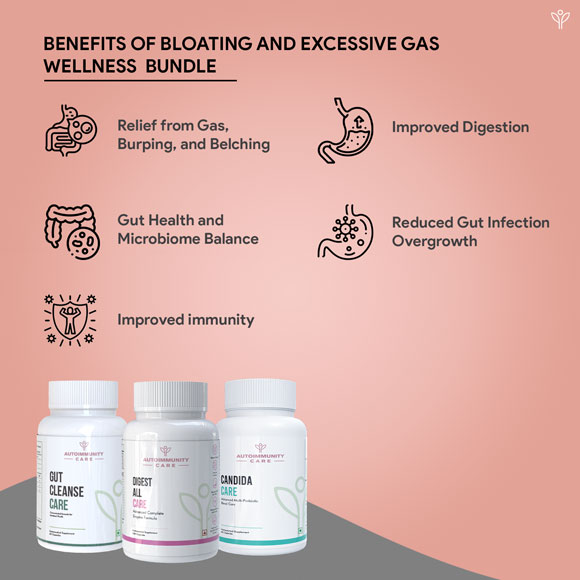
What We Have In Bloating and Excessive Gas (Flatulence)
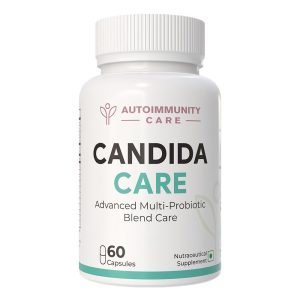
Autoimmunity Care Candida Care Supplement

Autoimmunity Care Digest All Care

Autoimmunity Care GUT Cleanse Care
What Causes Bloating and Excessive Gas (Flatulence0?
The primary cause of bloating is low stomach acid and insufficient digestive enzymes, which hinder proper food breakdown, resulting in fermentation and putrefaction that produce gas.
Other causes include:
• Carbohydrate malabsorption - In some people who are intolerant to certain foods, such as lactose or gluten, the undigested food can ferment in the intestines, leading to gas buildup and bloating. (Foley et al., 2014)
• Impaired intestinal motility - a sluggish digestive system can lead to delayed emptying of intestinal gases leading to bloating.
• Eating habits - having large, fatty, or gas-producing meals, eating too quickly, consuming foods high in sugar and salt, swallowing air while eating or drinking carbonated beverages can all contribute to bloating.
• Gut microbiome imbalance - Small intestinal bacterial overgrowth (SIBO) or dysbiosis (an imbalance of gut bacteria) may lead to increased gas production (Kessing et al., 2014).
• Visceral hypersensitivity - When the guts' nerves become hypersensitive, the normal amounts of gas can be perceived as abnormally high, causing a bloating sensation.
• Medical conditions - Irritable bowel syndrome, celiac disease, gastroparesis, are some conditions associated with bloating (Kessing et al., 2014) (Sato & Fukudo, 2015).
• Menstruation - Many women experience bloating before or during their periods, likely due to hormonal changes which leads to water and salt retention.
Symptoms:
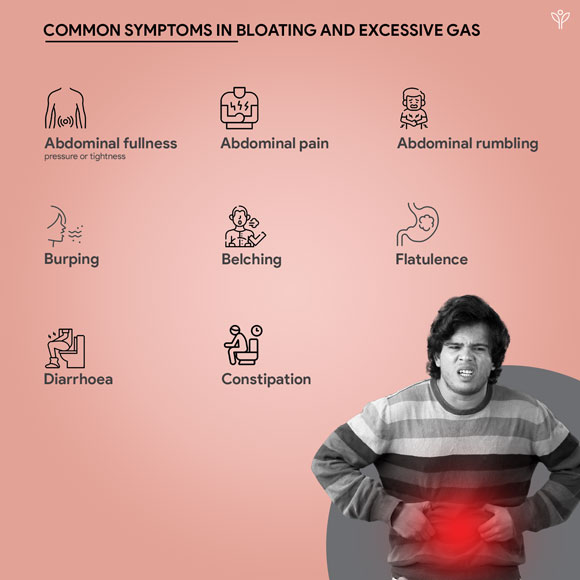
The main symptom of bloating is a feeling of abdominal fullness, pressure or tightness. Patients may also experience abdominal pain, abdominal rumbling, burping, belching, flatulence, diarrhoea or constipation.
Remedies: Medical treatments
Over the counter medications like antacids, simethicone, or alpha- galalactosidase enzymes may provide temporary relief. Prescription medications such as antibiotics for SIBO, prokinetic drugs for gastroparesis, and selective serotonin reuptake inhibitors for visceral pain can also help depending on the underlying cause.
It is important to identify and address the root cause of bloating and the management should include a holistic approach that focuses on lifestyle and dietary modifications.
How can it be treated?
Dietary Remedies:
Foods to avoid:
• In general, it is important to avoid sugars, gluten, dairy, refined carbohydrates, and processed foods.
• High FODMAP (Fermentable Oligosaccharides, Disaccharides, Monosaccharides, and Polyols) foods like apple, mango, watermelon, garlic, onion, cauliflower, cabbage, mushroom, dairy products like milk, yogurt and ice cream, lentils, chickpeas, beans, wheat, barley, sweeteners etc.
• Carbonated drinks, chewing gum, hard candies.
Foods to include:
• Low FODMAP foods like lactose free dairy products, strawberries, eggplant, green bell pepper, cucumber, peanuts, eggs, meat and fish.
• Probiotics - Foods like yogurt, kefir, sauerkraut, kimchi that contain beneficial gut bacteria.
• Omega-3 rich foods like flax, chia, walnuts as they have anti-inflammatory effects.
• Incorporating digestion-aiding herbs and spices like ginger, cinnamon, caraway, fennel, peppermint, and chamomile.
Eating habits - Eating smaller, frequent meals throughout the day improves digestion. Mindful eating, chewing thoroughly and avoiding rushed mealtimes may also help. Avoid drinking excessive amounts of water with meals. Proper preparation of hard-to-digest foods, such as soaking or fermenting grains and legumes is important.
Lifestyle Remedies:
• Regular physical activity promotes healthy digestion and intestinal mobility.
• Stress management through meditation, yoga or breathing exercises can help reduce visceral hypersensitivity.
Supplements and natural remedies to help Bloating and Excessive Gas (Flatulence)
• Digestive stimulant herbs like gentian, ginger, and agrimony, along with carminatives such as chamomile, peppermint, fennel, and cinnamon, can aid digestion and reduce bloating. (Moshiree et al., 2023) (Lyra et al., 2010) (Bertin et al., 2024).
• Probiotics and digestive enzymes can also be helpful in certain cases.
• Low stomach acid can be addressed with remedies like apple cider vinegar or supplements containing betaine and pepsin.
• Psyllium - a soluble fiber, can help regulate bowel movements and improve stool consistency.
• Vitamin D - Deficiency of this vitamin has been linked to IBS and bloating, so supplementation may help in some cases.
Reference
Lacy, B. E., Gabbard, S. L., & Crowell, M. D. (2011, November 1). Pathophysiology, Evaluation, and Treatment of bloating: hope, hype, or hot air? https://pmc.ncbi.nlm.nih.gov/articles/PMC3264926/
Bertin, L., Zanconato, M., Crepaldi, M., Marasco, G., Cremon, C., Barbara, G., Barberio, B., Zingone, F., & Savarino, E. (2024). The Role of the FODMAP Diet in IBS. In Nutrients (Vol. 16, Issue 3, p. 370). Multidisciplinary Digital Publishing Institute.
Foley, A., Burgell, R., Barrett, J. S., & Gibson, P. G. (2014). Management Strategies for Abdominal Bloating and Distension. In PubMed (Vol. 10, Issue 9, p. 561). National Institutes of Health.
Hasler, W. L. (2008). Approach to the Patient with Gas and Bloating (p. 255).
Kessing, B. F., Bredenoord, A. J., & Smout, A. J. P. M. (2014). The Pathophysiology, Diagnosis and Treatment of Excessive Belching Symptoms [Review of The Pathophysiology, Diagnosis and Treatment of Excessive Belching Symptoms]. The American Journal of Gastroenterology, 109(8), 1196. Lippincott Williams & Wilkins.
Lyra, A., Krogius-Kurikka, L., Nikkilä, J., Malinen, E., Kajander, K., Kurikka, K., Korpela, R., & Palva, A. (2010). Effect of a multispecies probiotic supplement on quantity of irritable bowel syndrome-related intestinal microbial phylotypes. In BMC Gastroenterology (Vol. 10, Issue 1). BioMed Central.
Moshiree, B., Drossman, D. A., & Shaukat, A. (2023). AGA Clinical Practice Update on Evaluation and Management of Belching, Abdominal Bloating, and Distention: Expert Review [Review of AGA Clinical Practice Update on Evaluation and Management of Belching, Abdominal Bloating, and Distention: Expert Review]. Gastroenterology, 165(3), 791. Elsevier BV.
Sato, Y., & Fukudo, S. (2015). Gastrointestinal symptoms and disorders in patients with eating disorders [Review of Gastrointestinal symptoms and disorders in patients with eating disorders]. Clinical Journal of Gastroenterology, 8(5), 255. Springer Science+Business Media.